

KASE discussed key investment taxation issues
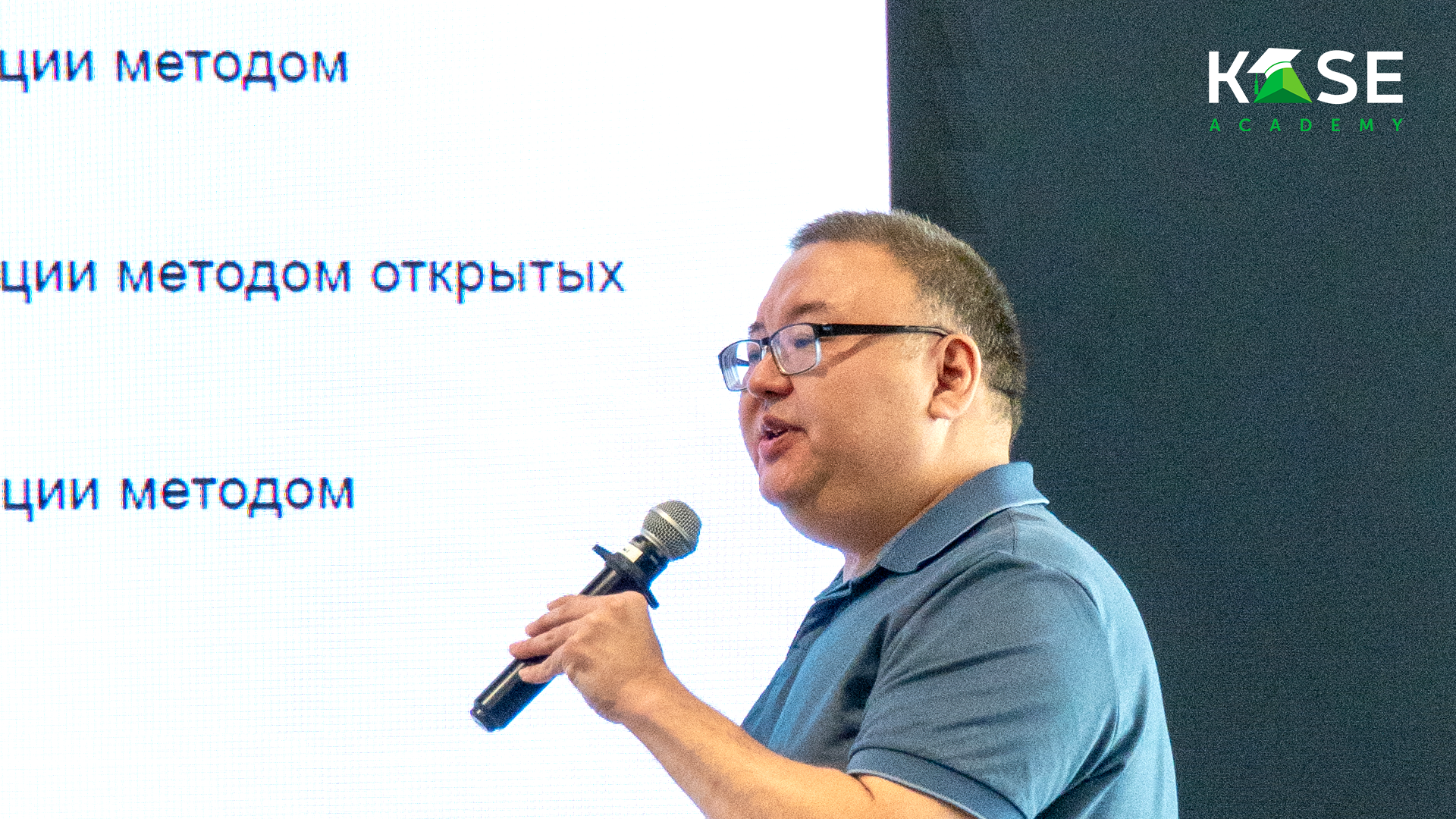
Kazakhstan Stock Exchange (KASE) held a roundtable discussion of taxation issues, organized by the KASE Academy. Participants discussed current changes to tax legislation, as well as issues of private investor income declaration and tax reform development.
Galym Abishev, regional representative of KASE Client Relations Office, presented an overview of the current taxation system for securities operations. He noted that private investors in Kazakhstan retain a wide range of tax benefits for operations on KASE, both for income from value gains and for dividends and interest.
"For private investors interested in investment income, the benefits are currently available for virtually all categories of securities and income types", emphasized Galym Abishev.
Aliya Ibrayeva, Director of International Tax Structuring Services at PwC, discussed the taxation of securities operations outside of Kazakhstan's exchanges and the specifics of universal declaration. She reminded that Kazakhstan's tax breaks do not apply to foreign assets and instruments not traded on domestic platforms, and that investors must declare income from them themselves.
"If an individual is recognized as a tax resident of Kazakhstan, their worldwide income is subject to taxation", noted Aliya Ibrayeva.
ReportiX founder Alexander Dronin presented practical examples of tax reporting preparation and discussed the most common mistakes the investors make when filing tax declarations. Among the key issues, he highlighted the lack of uniform brokerage reporting standards, difficulties with accounting of corporate events and loss of asset acquisition cost history during transfers between brokers.
"This isn't client irresponsibility, but rather gray areas at the intersection of tax law, accounting and the specifics of financial instruments", stated Alexander Dronin.
At the event's end, the participants received answers to questions about application of new tax regulations and exchanged the proposals for further improving of market regulation.